
How to Create a Relaxing Home Workspace for Better Productivity
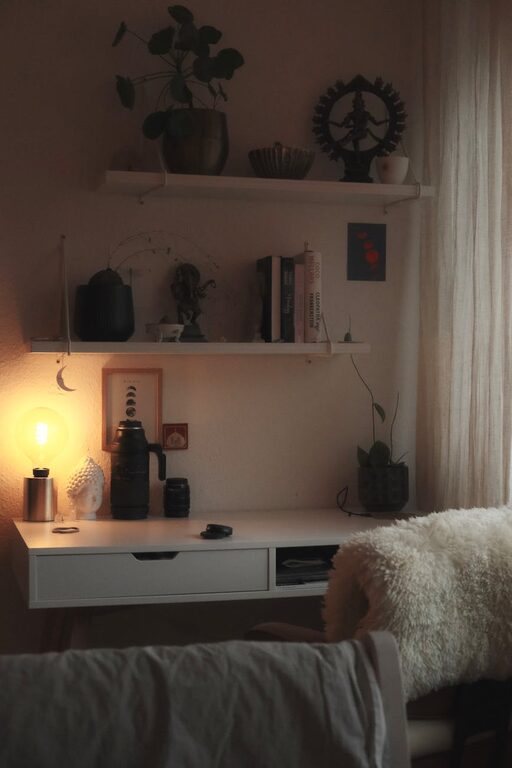
Creating a relaxing home workspace is essential for maintaining productivity and well-being, especially as remote work becomes more common. When your workspace promotes calmness and comfort, it can help reduce stress and improve focus. This guide will walk you through practical steps to design a home office that supports both relaxation and efficiency.
Why a Relaxing Workspace Matters
A workspace that feels peaceful and organized encourages positive work habits and increases motivation. Stress and clutter can cause distractions, making it harder to concentrate. By setting up a calming environment, you create a space where your brain associates work with comfort and productivity.
Choosing the Right Location
Find a Quiet Spot
Pick a location in your home that is quiet and away from heavy foot traffic. If possible, select a room with a door to minimize interruptions.
Consider Natural Light
Natural light improves mood and reduces eye strain. Position your desk near a window to take advantage of daylight, but arrange your monitor to avoid glare.
Designing for Comfort and Function
Invest in an Ergonomic Chair
Comfortable seating is crucial. Choose an ergonomic chair that supports your posture to prevent back pain during long work hours.
Select a Suitable Desk
Your desk should be spacious enough for your computer, documents, and any tools you use regularly. Adjustable desks are great for alternating between sitting and standing.
Incorporate Soft Textures
Add pillows or a cozy rug to your space to create a warm, inviting atmosphere.
Reducing Clutter and Staying Organized
Use Storage Solutions
Keep your workspace tidy with shelves, drawers, or boxes for supplies. Regularly declutter to maintain a clean environment.
Organize Your Cables
Use cable organizers to keep cords out of sight and avoid a messy appearance.
Enhancing the Atmosphere
Choose Calming Colors
Soft, neutral tones like light blue, green, or beige promote relaxation. Avoid overly bright or distracting colors.
Add Plants
Indoor plants improve air quality and add a touch of nature that can reduce stress and increase creativity.
Control Noise Levels
If external noises are unavoidable, consider noise-cancelling headphones or a white noise machine to maintain focus.
Personalizing Your Space
Include Inspiring Elements
Display photos, artwork, or quotes that motivate you.
Adjust Lighting
Use adjustable lamps to ensure your workspace is well-lit during darker hours without harsh glare.
Scent and Air Quality
Consider using a diffuser with relaxing scents like lavender or eucalyptus to enhance the atmosphere. Make sure your workspace is well-ventilated.
Establishing a Routine for Productivity
Set Clear Boundaries
Define your work hours and communicate them to household members to minimize interruptions.
Take Regular Breaks
Short breaks to stretch or walk can refresh your mind and reduce fatigue.
Maintain Your Workspace
Spend a few minutes at the end of each day tidying up to start the next day fresh and organised.
Final Thoughts
Creating a relaxing home workspace combines thoughtful design with personal touches. By focusing on comfort, organisation, and atmosphere, you can develop a space that not only looks good but also supports your productivity and well-being. Start small and adjust your setup as needed until it feels just right. Your ideal work environment is within reach!