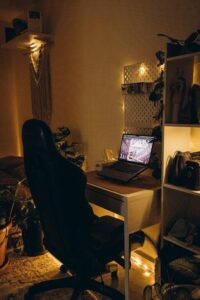
Tips for Creating a Relaxing Home Workspace to Boost Productivity
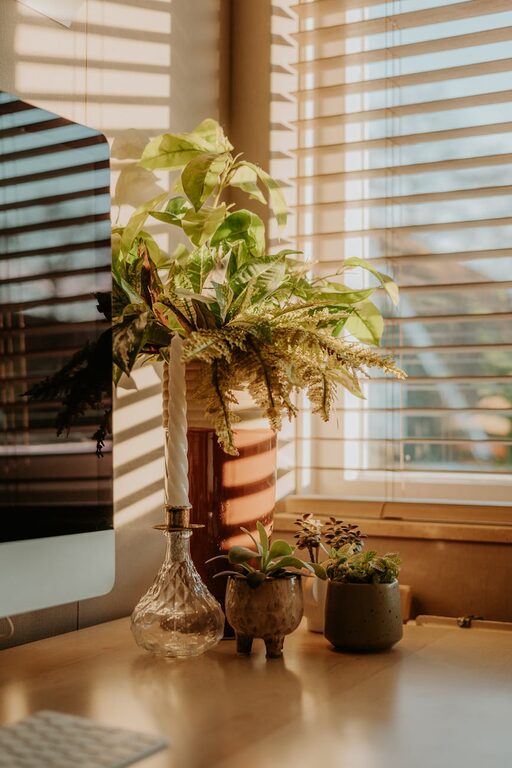
Creating a comfortable and calming home workspace is essential for boosting productivity and maintaining well-being. Since many people spend hours working from home, transforming your work area into a relaxing sanctuary can make a big difference in how effectively you work and how you feel throughout the day. Here are some helpful tips to design a home workspace that supports relaxation and productivity.
Choose the Right Location
Find a Quiet Spot
Selecting a quiet corner or room with minimal distractions will help you concentrate better. If you share your living space with others, try to find a place where noise and interruptions are less likely.
Natural Light is Key
Try to position your workspace near a window to take advantage of natural daylight. Sunlight helps regulate your body clock and can improve your mood and alertness during work.
Invest in Comfortable Furniture
Ergonomic Chair and Desk
A chair with good lumbar support and a desk at the right height prevent discomfort and physical strain. Comfort reduces fatigue and allows you to focus longer.
Personalize Your Setup
Include items like a soft cushion or footrest to increase comfort. Adjusting your workspace to fit your body and preferences promotes better posture and reduces stress.
Declutter and Organize
Keep Essentials Close
Only keep necessary items on your desk to avoid distractions. Use organizers, trays, or drawers to store supplies so your surface stays neat.
Daily Tidying Routine
Spend a few minutes cleaning your workspace at the end of each day. A tidy environment creates a clear mind and helps you start fresh the next morning.
Add Elements of Calm
Choose Soothing Colours
Colours like soft blues, greens, or neutrals can create a peaceful atmosphere. Avoid overly bright or harsh colours that might cause visual strain.
Bring in Nature
Incorporate houseplants or fresh flowers to add life to your workspace. Plants improve air quality and have a calming effect.
Use Pleasant Scents
A mild scent from essential oils or scented candles can enhance relaxation but avoid overpowering fragrances that might cause headaches.
Control Lighting and Noise
Adjustable Lighting
Use a desk lamp with adjustable brightness to reduce eye strain, especially when natural light is insufficient.
Manage Noise Levels
Depending on your preference, use noise-cancelling headphones, soft background music, or white noise to drown out distracting sounds.
Create Boundaries Between Work and Rest
Define Work Hours
Set clear start and finish times for your workday. This boundary helps maintain work-life balance.
Separate Work and Leisure Zones
If possible, keep your workspace distinct from areas you use for relaxation. Physically leaving your work area signals your brain to shift into downtime mode.
Incorporate Breaks and Movement
Take Regular Breaks
Short breaks help refresh your mind and prevent burnout. Stand up, stretch, or take a quick walk around your home.
Add Movement Tools
Consider using a balance ball chair or standing desk options to encourage movement and reduce stiffness.
Personal Motivation and Inspiration
Display Quotes or Photos
Keep a few motivational quotes, family photos, or artwork nearby to inspire you and boost morale.
Use a Planner or Task List
Organized to-do lists can reduce stress and keep you focused on priorities.
—
By following these tips, you can create a relaxing home workspace tailored to your needs. A well-designed, calming environment helps improve focus, reduces stress, and ultimately boosts your productivity. Remember that small changes, when combined, can transform your daily work experience for the better.