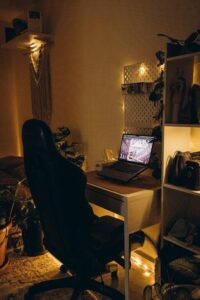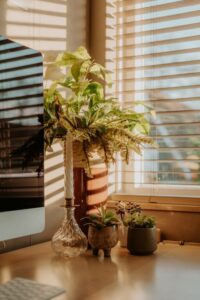
Tips for Creating a Cozy and Inviting Small Living Space
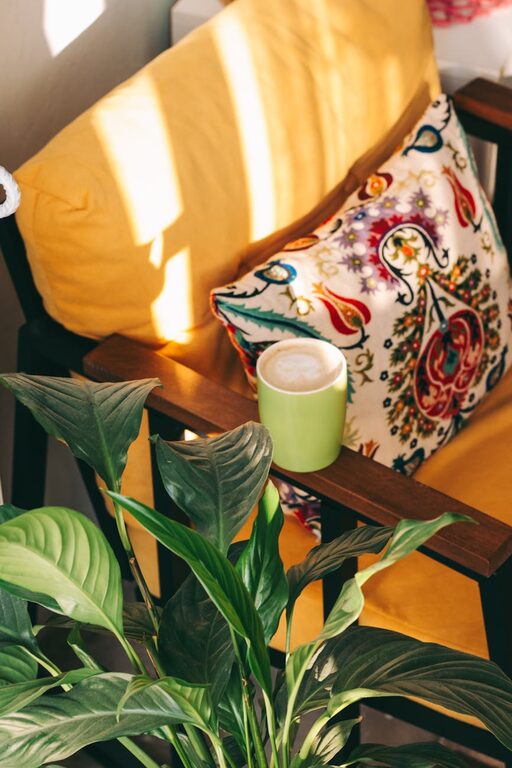
Creating a cozy and inviting atmosphere in a small living space can be both a fun challenge and a rewarding project. When square footage is limited, every choice matters — from furniture to lighting, colours to textures. The goal is to maximise comfort and style without making the room feel cramped or cluttered. Here are some thoughtful tips to transform your small living area into a cosy retreat that feels open and welcoming.
1. Choose Smart, Space-Saving Furniture
In small rooms, less is often more. Opt for furniture that is appropriately scaled to the room size:
– Multi-functional pieces: Sofas with storage compartments, fold-out desks, or ottomans that double as seats and hidden storage can save space.
– Lightweight and movable: Chairs and tables that are easy to move allow you to adjust your layout for different activities or guests.
– Slim profiles: Furniture with thin legs or open bases look less bulky and keep the visual flow open.
Avoid oversized sectional sofas or heavy, ornate furniture, which can overwhelm limited space and make it feel smaller.
2. Embrace Light and Soft Colours
Colour plays a big role in how spacious and inviting a room feels:
– Neutral tones like soft whites, light greys, or gentle beiges can visually expand the walls.
– Pastels or muted colours add warmth without overpowering.
– Accent colours can be introduced through pillows, rugs, or artwork to add personality and depth.
Try to keep the ceiling and walls lighter than the floors for an airy feel. Matte or eggshell finishes reduce glare and enhance a cosy mood.
3. Layer Textures for Warmth
Texture brings dimension and comfort to a room:
– Incorporate soft blankets, plush cushions, or textured throws on sofas.
– Use natural materials such as wood, wool, cotton, or linen in furniture, rugs, and curtains.
– Mix different textures subtly to prevent a flat or clinical look.
A tactile environment invites people to relax and linger.
4. Maximise Natural and Artificial Lighting
Lighting can dramatically change the ambience of your living space:
– Use natural light to the fullest by keeping windows clear of heavy drapes. Sheer curtains can soften the light without blocking it.
– Position mirrors strategically to reflect light and make the room feel larger.
– Layer your artificial lighting with a combination of ceiling fixtures, floor lamps, and table lamps to create a warm glow.
– Consider dimmable lights to adjust the mood from bright and lively to soft and cosy easily.
5. Keep Clutter to a Minimum
A neat and organised living area feels more tranquil and inviting:
– Use baskets, decorative boxes, or built-in shelves to store items neatly.
– Designate a spot for everyday essentials to avoid piles of stuff.
– Regularly declutter to keep only what is functional or meaningful.
Simple organisation habits make a big difference in small spaces.
6. Add Personal Touches Thoughtfully
Decorate with items that reflect your personality but avoid over-accessorising:
– Select a few meaningful artworks or photos to display.
– Include plants to bring life and freshness into the room. Small potted plants or hanging planters work well.
– Incorporate scented candles, diffusers, or soft music for a multi-sensory cosy experience.
Remember that less is more—choose decor pieces that contribute to warmth and relaxation.
7. Consider Vertical Space
Small spaces often have untapped vertical potential:
– Install floating shelves to display books, plants, or decorative objects.
– Use tall, narrow storage units to free up floor area.
– Hang artwork or wall décor higher to draw the eye upward and create the illusion of height.
Vertical solutions keep the floor clutter-free and expand the room visually.
8. Define Zones Clearly
Even in small living spaces, defining functional areas can make your home feel orderly and inviting:
– Use rugs to separate seating and dining zones.
– Arrange furniture to create clear pathways.
– Use lighting or screens to create privacy if needed.
Clear boundaries help organise the space and reduce visual chaos.
—
By combining these tips, you can create a small living space that feels much bigger than it really is, while also being wonderfully cosy and inviting. Focus on smart furniture choices, light colours, layered textures, and good organisation to maximise comfort without sacrificing style. With a little planning and creativity, your small living room can become your favourite place to relax and welcome guests.